If you are suffering from tenderness, pain, or stiffness in the joints of your feet or ankles, call us to schedule an appointment.

283 St Rose Ave
Windsor, ON N8S 1X1


If you are suffering from tenderness, pain, or stiffness in the joints of your feet or ankles, call us to schedule an appointment.
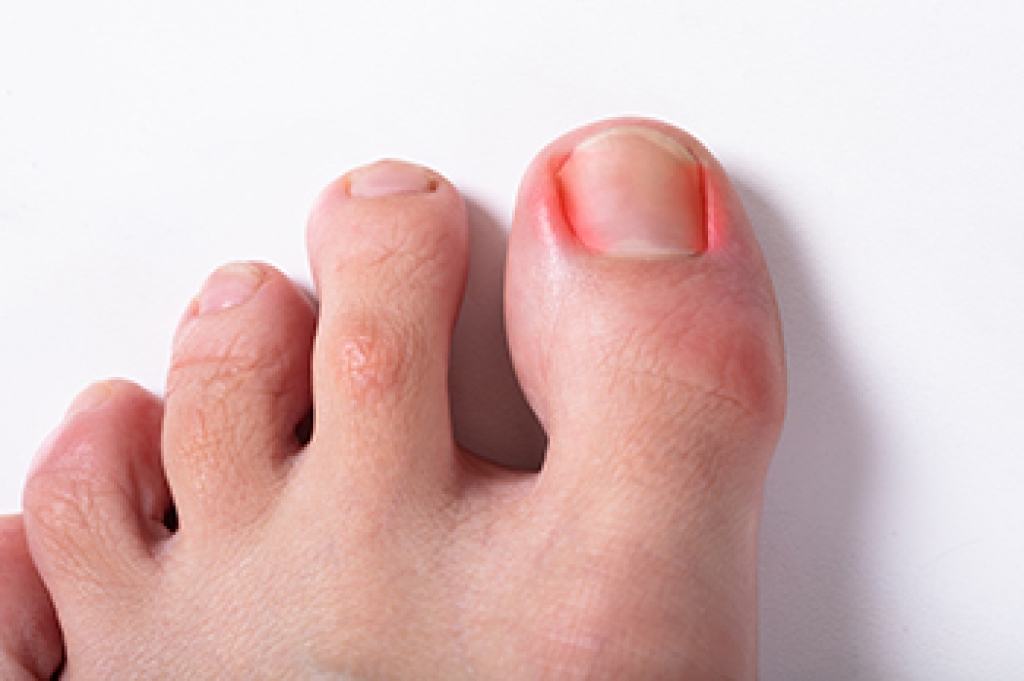
An ingrown toenail develops when the edge of a toenail grows into the surrounding skin instead of over it. This condition most often affects the big toe and can become increasingly painful if left untreated. Common causes include trimming the nails improperly, wearing tight-fitting shoes, and injuries to the toe. As the nail continues to press into the skin, it may cause redness, swelling, and tenderness. Some people also notice drainage or signs of infection if bacteria enter the irritated area. Because other toe conditions can produce similar symptoms, a professional evaluation is important to identify the problem and recommend the most appropriate treatment.
As an ingrown toenail worsens, everyday activities such as walking or exercising may become uncomfortable. Continued pressure on the affected toe can increase inflammation and make it difficult to wear normal footwear. In some cases, the surrounding skin may become infected, leading to increased pain and delayed healing. Certain individuals, including those with diabetes or poor circulation, may have a greater risk of developing complications. A thorough examination helps determine the severity of the condition and whether additional treatment is needed. Early diagnosis can reduce discomfort and help prevent the problem from becoming more serious.
A podiatrist specializes in diagnosing and treating ingrown toenails while addressing the underlying cause of the condition. Professional care focuses on relieving pain, reducing inflammation, and preventing future complications. A podiatrist also evaluates the shape of the nail and surrounding tissue to determine the most appropriate treatment plan for each patient. Early podiatry care may help protect the toe from worsening symptoms and support a faster return to comfortable daily activities. If you are experiencing toe pain, swelling, or signs of an ingrown toenail, it is suggested that you consult a podiatrist for an evaluation and appropriate treatment options.
Ingrown toenails can become painful if they are not treated properly. For more information about ingrown toenails, contact the practitioners of Foot Care Institute. Our practitioners can provide the care you need to keep you pain-free and on your feet.
Ingrown Toenails
Ingrown toenails occur when a toenail grows sideways into the bed of the nail, causing pain, swelling, and possibly infection.
Causes
Prevention
Wearing proper fitting shoes and using proper cutting techniques will also help decrease your risk of developing ingrown toenails.
Treatment
Ingrown toenails are a very treatable foot condition. In minor cases, soaking the affected area in salt or antibacterial soaps will not only help with the ingrown nail itself, but also help prevent any infections from occurring. In more severe cases, surgery is an option. In either case, speaking to your podiatrist about this condition will help you get a better understanding of specific treatment options that are right for you.
If you have any questions, please feel free to contact our office located in Windsor, ON . We offer the newest diagnostic and treatment technologies for all your foot care needs.

Falls at home are a common concern for older adults and can lead to serious injuries, especially involving the feet and ankles. A fall is defined as an unexpected loss of balance that results in landing on the ground or a lower surface. Several causes contribute to falls, including poor lighting, uneven surfaces, and distractions such as reading while walking. Understanding why falls happen can help reduce risk and support safer movement within the home environment.
Symptoms and warning signs that may increase fall risk include unsteady walking, dizziness, muscle weakness, and reduced balance. Risk factors include aging-related changes, vision problems, medications that affect coordination, and lack of physical activity. Limited awareness of surroundings can also play a role, especially when attention is divided between tasks. These factors can make it more difficult to react quickly and maintain stability, increasing the chance of a fall.
Falls can lead to a variety of foot and ankle conditions, including sprains, fractures, bruising, and joint pain. These injuries may affect mobility and make daily activities more challenging. Preventive strategies include improving awareness while walking, avoiding distractions, and maintaining a safe home environment. Mind-body exercises such as tai chi and yoga can improve balance and coordination. Additionally, building muscle strength through regular activity also supports stability and reduces fall risk.
Taking steps to prevent falls can protect overall health and maintain independence. Simple changes, such as improving lighting and focusing on safe movement, can make a meaningful difference. Staying active and aware supports better balance and reduces injury risk. If you have injured your foot or ankle from falling, it is suggested that you consult a podiatrist for effective treatment solutions and additional guidance on fall prevention tips.
Preventing falls among the elderly is very important. If you are older and have fallen or fear that you are prone to falling, consult with the practitioners from Foot Care Institute. Our practitioners will assess your condition and provide you with quality advice and care.
Every 11 seconds, an elderly American is being treated in an emergency room for a fall related injury. Falls are the leading cause of head and hip injuries for those 65 and older. Due to decreases in strength, balance, senses, and lack of awareness, elderly persons are very susceptible to falling. Thankfully, there are a number of things older persons can do to prevent falls.
How to Prevent Falls
Some effective methods that older persons can do to prevent falls include:
Falling can be a traumatic and embarrassing experience for elderly persons; this can make them less willing to leave the house, and less willing to talk to someone about their fears of falling. Doing such things, however, will increase the likelihood of tripping or losing one’s balance. Knowing the causes of falling and how to prevent them is the best way to mitigate the risk of serious injury.
If you have any questions, please feel free to contact our office located in Windsor, ON . We offer the newest diagnostic and treatment technologies for all your foot care needs.

Stress fractures are tiny cracks in a bone that develop from repeated force instead of a single injury. They frequently affect the bones of the foot because these bones absorb pressure with every step. Running, jumping, or suddenly increasing activity can place more stress on the bones than they can safely handle. Wearing shoes that lack proper support can also contribute to the problem. Symptoms include pain that gradually becomes worse during activity, tenderness over one area of the foot, and swelling. The pain usually improves with rest at first but can become more constant as the injury progresses. Early evaluation is important because untreated stress fractures can become more serious injuries. Healing can take several weeks, depending on the location and severity of the fracture.
A podiatrist evaluates the foot, walking pattern, and areas of tenderness to determine whether a stress fracture is likely. Imaging tests can help confirm the diagnosis when necessary. Treatment includes protecting the injured foot, reducing pressure on the affected bone, and recommending shoes that provide proper support. A podiatrist also identifies factors that contributed to the injury, including abnormal foot mechanics or uneven pressure. Regular follow-up visits help monitor healing and guide a safe return to normal activities. Care is tailored to the location of the fracture and the patient's daily activity level.
Ignoring a stress fracture can increase the risk of a complete fracture and delay recovery. Some stress fractures heal on their own, while others require closer monitoring because of their location or severity. Early podiatry care helps protect the injured bone, improve foot function, and reduce unnecessary stress on surrounding tissues. Prompt diagnosis also supports better healing and lowers the chance of long-term complications affecting mobility. If you have symptoms of stress fractures, it is suggested that you schedule an appointment with a podiatrist for diagnosis and treatment.
Stress fractures occur when there is a tiny crack within a bone. To learn more, contact the practitioners from Foot Care Institute. Our practitioners can provide the care you need to keep you pain free and on your feet.
How Are They Caused?
Stress fractures are the result of repetitive force being placed on the bone. Since the lower leg and feet often carry most of the body’s weight, stress fractures are likely to occur in these areas. If you rush into a new exercise, you are more likely to develop a stress fracture since you are starting too much, too soon. Pain resulting from stress fractures may go unnoticed at first, however it may start to worsen over time.
Risk Factors
Stress fractures do not always heal properly, so it is important that you seek help from a podiatrist if you suspect you may have one. Ignoring your stress fracture may cause it to worsen, and you may develop chronic pain as well as additional fractures.
If you have any questions please contact our office located in Windsor, ON . We offer the newest diagnostic and treatment technologies for all your foot and ankle needs.

Achilles tendinitis is a common overuse condition that affects the Achilles tendon, which connects the calf muscles to the heel bone. This strong tendon plays a key role in walking, running, and jumping by allowing the foot to push off the ground. Achilles tendinitis develops when the tendon becomes irritated or inflamed due to repetitive strain. It is frequently seen in active individuals, especially those who increase activity levels too quickly or engage in high-impact exercise without proper preparation.
Symptoms of Achilles tendinitis often begin with mild pain or stiffness along the back of the heel, especially after periods of rest or in the morning. As the condition progresses, the pain may worsen during physical activity and continue afterward. Swelling, tenderness, and a thickened appearance of the tendon may also occur. Some individuals experience limited flexibility in the ankle or discomfort when climbing stairs or walking uphill. Early recognition of these symptoms can help prevent more serious tendon damage.
The primary cause of Achilles tendinitis is repetitive stress placed on the tendon without adequate recovery time. Sudden increases in physical activity, tight calf muscles, and improper warm up routines can contribute to strain. Wearing unsupportive footwear or exercising on hard surfaces may also increase the load on the tendon. Poor foot mechanics, such as flat feet or overpronation, can create uneven stress and increase the likelihood of irritation. These factors often work together to weaken the tendon over time.
Risk factors include age, high activity levels, and lack of flexibility. Individuals who participate in running or jumping sports are at greater risk. Preventive care includes gradual training progression, proper stretching, and supportive footwear. Early treatment can improve recovery and prevent long-term complications. If you have Achilles tendon pain, it is suggested that you consult a podiatrist who can accurately diagnose and treat Achilles tendinitis.
Achilles tendon injuries need immediate attention to avoid future complications. If you have any concerns, contact the practitioners of Foot Care Institute. Our practitioners can provide the care you need to keep you pain-free and on your feet.
What Is the Achilles Tendon?
The Achilles tendon is a tendon that connects the lower leg muscles and calf to the heel of the foot. It is the strongest tendon in the human body and is essential for making movement possible. Because this tendon is such an integral part of the body, any injuries to it can create immense difficulties and should immediately be presented to a doctor.
What Are the Symptoms of an Achilles Tendon Injury?
There are various types of injuries that can affect the Achilles tendon. The two most common injuries are Achilles tendinitis and ruptures of the tendon.
Achilles Tendinitis Symptoms
Rupture Symptoms
Treatment and Prevention
Achilles tendon injuries are diagnosed by a thorough physical evaluation, which can include an MRI. Treatment involves rest, physical therapy, and in some cases, surgery. However, various preventative measures can be taken to avoid these injuries, such as:
If you have any questions please feel free to contact our office located in Windsor, ON . We offer the newest diagnostic tools and technology to treat your foot and ankle needs.