

(519) 258-3668

283 St Rose Ave
Windsor, ON N8S 1X1

Blog

Various Causes of Ankle Pain

Ankle pain can develop for many reasons, ranging from mild strain to serious injury. A common cause of ankle pain is a sprain, which happens when the strong bands of tissue that connect bones in the ankle joint are stretched or torn. This may happen during sudden twisting or overuse. Achilles tendonitis is another source of ankle discomfort. It involves inflammation of the Achilles tendon, the thick cord that connects the calf muscles to the heel. Bursitis may also lead to ankle pain. Bursae are small fluid-filled sacs that cushion the ankle joint, and when they become irritated, swelling and aching can occur. In more severe cases, ankle pain may result from a break in one of the bones that form the ankle joint. A podiatrist can perform a thorough evaluation, use X-rays and other imaging to determine the cause, and create a treatment plan to reduce pain and restore mobility. If ankle pain is interfering with your daily activities, it is suggested that you make an appointment with a podiatrist for an exam, diagnosis, and treatment.

Ankle pain can have many different causes and the pain may potentially be serious. If you have ankle pain, consult with the practitioners from Foot Care Institute. Our practitioners will assess your condition and provide you with quality foot and ankle treatment.

Ankle pain is any condition that causes pain in the ankle. Due to the fact that the ankle consists of tendons, muscles, bones, and ligaments, ankle pain can come from a number of different conditions.

Causes

The most common causes of ankle pain include:

  • Types of arthritis (rheumatoid, osteoarthritis, and gout)
  • Ankle sprains
  • Broken ankles
  • Achilles tendinitis
  • Achilles tendon rupture
  • Stress fractures
  • Tarsal tunnel syndrome
  • Plantar fasciitis

Symptoms

Symptoms of ankle injury vary based upon the condition. Pain may include general pain and discomfort, swelling, aching, redness, bruising, burning or stabbing sensations, and/or loss of sensation.

Diagnosis

Due to the wide variety of potential causes of ankle pain, podiatrists will utilize a number of different methods to properly diagnose ankle pain. This can include asking for personal and family medical histories and of any recent injuries. Further diagnosis may include sensation tests, a physical examination, and potentially x-rays or other imaging tests.

Treatment

Just as the range of causes varies widely, so do treatments. Some more common treatments are rest, ice packs, keeping pressure off the foot, orthotics and braces, medication for inflammation and pain, and surgery.

If you have any questions please feel free to contact our office located in Windsor, ON . We offer the newest diagnostic tools and technology to treat your foot and ankle needs.

Read more about Ankle Pain

Plantar Fasciitis and Podiatric Care

 Plantar fasciitis is a common foot-related condition defined as inflammation of the plantar fascia, the thick band of connective tissue that supports the arch and connects the heel to the toes. This condition often develops when the tissue becomes overstressed or irritated during daily activities. Symptoms frequently include sharp heel pain, arch discomfort, stiffness after periods of rest, and tenderness along the bottom of the foot. Causes may involve repetitive strain, prolonged standing, wearing poorly supported footwear, or changes in physical activity. Risk factors can include flat feet, high arches, excess body weight, and tight calf muscles. A podiatrist can evaluate foot mechanics, provide supportive treatment, and recommend orthotic support. If you have heel pain that is interfering with daily activities, it is suggested that you consult a podiatrist who can guide you toward effective relief and treatment solutions.

Plantar fasciitis can be very painful and inconvenient. If you are experiencing heel pain or symptoms of plantar fasciitis, contact the practitioners  from Foot Care Institute. Our practitioners can provide the care you need to keep you pain-free and on your feet.

What Is Plantar Fasciitis?

Plantar fasciitis is the inflammation of the thick band of tissue that runs along the bottom of your foot, known as the plantar fascia, and causes mild to severe heel pain.

What Causes Plantar Fasciitis?

  • Excessive running
  • Non-supportive shoes
  • Overpronation
  • Repeated stretching and tearing of the plantar fascia

How Can It Be Treated?

  • Conservative measures – anti-inflammatories, ice packs, stretching exercises, physical therapy, orthotic devices
  • Shockwave therapy – sound waves are sent to the affected area to facilitate healing and are usually used for chronic cases of plantar fasciitis
  • Surgery – usually only used as a last resort when all else fails. The plantar fascia can be surgically detached from the heel

While very treatable, plantar fasciitis is definitely not something that should be ignored. Especially in severe cases, speaking to your doctor right away is highly recommended to avoid complications and severe heel pain. Your podiatrist can work with you to provide the appropriate treatment options tailored to your condition.

If you have any questions, please feel free to contact our office located in Windsor, ON . We offer the newest diagnostic and treatment technologies for all your foot care needs.

Read more about Plantar Fasciitis

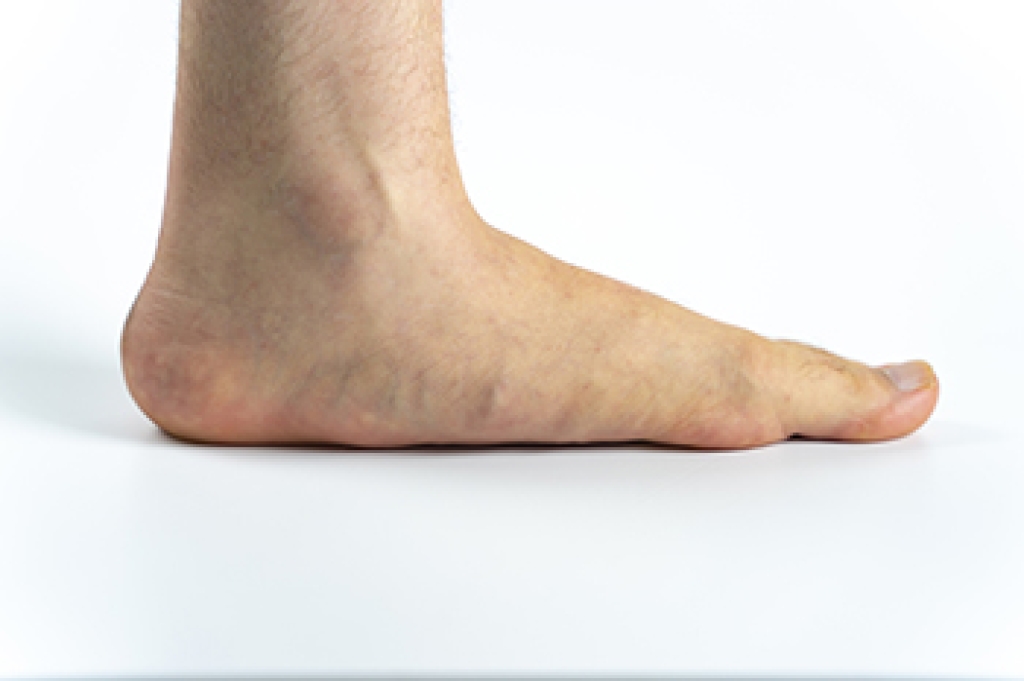
Flat Feet Causes

Flat feet, also known as fallen arches, describe a condition in which the arch of the foot collapses, causing the entire sole to touch the ground. This may occur due to genetics, aging, injury, obesity, or weakened tendons. There are two types of flat feet, known as flexible and rigid. Signs of flexible flat feet are where the arch appears when sitting, but flattens when standing, and rigid flat feet happens when the arch is absent at all times, limiting movement. Symptoms can include foot pain, swelling, fatigue, ankle instability and discomfort in the knees, hips or lower back. Risk factors include family history, diabetes, and previous trauma. A podiatrist can evaluate structure and gait, and recommend orthotics or supportive footwear. If you have flat feet, it is suggested that you consult a podiatrist who can offer you appropriate management solutions.

Flatfoot is a condition many people suffer from. If you have flat feet, contact the practitioners from Foot Care Institute. Our practitioners will treat your foot and ankle needs.

What Are Flat Feet?

Flatfoot is a condition in which the arch of the foot is depressed and the sole of the foot is almost completely in contact with the ground. About 20-30% of the population generally has flat feet because their arches never formed during growth.

Conditions & Problems:

Having flat feet makes it difficult to run or walk because of the stress placed on the ankles.

Alignment – The general alignment of your legs can be disrupted, because the ankles move inward which can cause major discomfort.

Knees – If you have complications with your knees, flat feet can be a contributor to arthritis in that area.  

Symptoms

  • Pain around the heel or arch area
  • Trouble standing on the tip toe
  • Swelling around the inside of the ankle
  • Flat look to one or both feet
  • Having your shoes feel uneven when worn

Treatment

If you are experiencing pain and stress on the foot you may weaken the posterior tibial tendon, which runs around the inside of the ankle. 

If you have any questions, please feel free to contact our office located in Windsor, ON . We offer the newest diagnostic and treatment technologies for all your foot care needs.

Read more about Flat Feet

Common Causes of Toe Pain

Toe pain can arise from a variety of causes, ranging from minor injuries to underlying medical conditions. Wearing tight or poorly fitting shoes can compress the toes, leading to discomfort, corns, or calluses. Ingrown toenails occur when the nail grows into the surrounding skin, causing pain, swelling, and sometimes infection. Sprained or stubbed toes from accidental trauma can also result in pain and difficulty walking. Medical conditions like gout may cause sudden, intense pain, redness, and swelling in the toes. Risk factors include high-impact activities, improper footwear, previous injuries, and certain health conditions. If you have toe pain, it is suggested that you consult a podiatrist who can determine what the cause is, and offer appropriate treatment solutions.

Toe pain can disrupt your daily activities. If you have any concerns, contact the practitioners of Foot Care Institute. Our practitioners can provide the care you need to keep you pain-free and on your feet.

What Causes Toe Pain?

Most severe toe pain is caused due to a sports injury, trauma from dropping something heavy on the toe, or bumping into something rigid. Other problems can develop over time for various reasons.

Toe pain can be caused by one or more ailments. The most common include:

  • Trauma
  • Sports injury
  • Wearing shoes that are too tight
  • Arthritis
  • Gout
  • Corns and calluses
  • Hammertoe
  • Bunions
  • Blisters
  • Ingrown toenails
  • Sprains
  • Fractures (broken bones)
  • Dislocations

When to See a Podiatrist

  • Severe pain
  • Persistent pain that lasts more than a week
  • Signs of infection
  • Continued swelling
  • Pain that prevents walking

Diagnosis

In many cases the cause of toe pain is obvious, but in others, a podiatrist may want to use more advanced methods to determine the problem. These can range from simple visual inspections and sensation tests to X-rays and MRI scans. Prior medical history, family medical history, and any recent physical traumatic events will all be taken into consideration for a proper diagnosis.

Treatment

Treatments for toe pain and injuries vary and may include shoe inserts, padding, taping, medicines, injections, and in some cases, surgery. If you believe that you have broken a toe, please see a podiatrist as soon as possible.

If you have any questions please contact our office located in Windsor, ON . We offer the newest diagnostic and treatment technologies for all your foot and ankle needs.

Read more about Toe Pain

How Balance Changes With Age and Why It Matters

As people grow older, balance can become less reliable due to changes in strength, sensation, vision, and reaction time. Reduced nerve feedback from the feet and ankles, joint stiffness, and muscle weakness all affect how the body stays upright during movement. Certain medications and chronic conditions may further interfere with coordination. When balance declines, the risk of falls increases, which can lead to injuries, loss of independence, and reduced confidence with daily activities. Early attention can make a meaningful difference. Wearing supportive footwear, strength and stability exercises, vision care, and management of underlying foot or ankle issues may help improve steadiness. Addressing foot pain or altered sensation is especially important, since the feet provide critical feedback for balance control. If unsteadiness, frequent tripping, or a fear of falling develops, it is suggested that you see a podiatrist for a proper evaluation and appropriate care.

If you need your feet checked, contact the practitioners of Foot Care Institute. Our practitioners will attend to all of your foot and ankle needs and provide you with quality treatment.

Geriatrics and Podiatry
When people age, some common issues that may occur are bone density loss, dry skin, poor circulation, and rough brittle nails. These issues may also affect your foot health if the necessary steps are not taken to alleviate the problems.

It is important to take care of your feet because feet that are injured or diseased can affect your overall health. Having painful feet hinders your ability to do daily activities or may decrease your willingness to do the things that you need to do.

Visiting Your Geriatrician
As we age, health problems become more likely, so it is essential to visit your doctor for check-ups to ensure that you are doing the best you can to take care of your health. It is recommended to check your feet frequently for any possible cuts, bruises, swelling, corns or any other irregularities. 

Taking Care of Elderly Feet
Cracked or dry feet can be treated by applying moisturizer often. It is also important not to wear old socks because the older the sock is, the higher the possibility there will be that there is bacteria there. Wear fresh socks and make sure they fit properly.

Proper foot health means that you can have a more active lifestyle and you will not be bogged down by pain. Foot health also leads to good circulation, which is paramount for overall health.

If you have any questions, please feel free to contact our office located in Windsor, ON . We offer the newest diagnostic and treatment technologies for all your foot care needs.

Read more about Geriatrics and Podiatry
Connect with us

our recent articles   medeo