(519) 258-3668

283 St Rose Ave
Windsor, ON N8S 1X1

Blog

Various Causes of Heel Pain

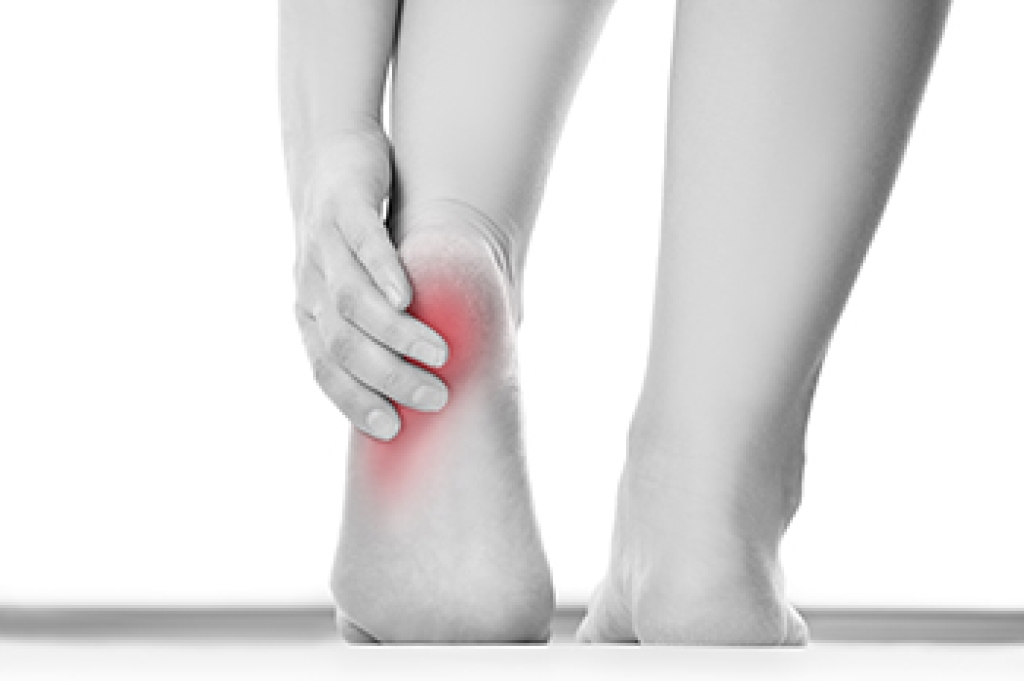
Heel pain, one of the most common foot complaints treated in podiatry, can affect people of all ages and activity levels. It refers to discomfort at the bottom or back of the heel, and may develop gradually or suddenly, depending on the cause. The heel bone, also known as the calcaneus, absorbs significant pressure when walking and standing, which makes it vulnerable to overuse injuries and inflammation. Heel pain can range from a dull ache to sharp stabbing sensations that make walking difficult, especially in the morning or after long periods of rest. 

Several conditions can lead to heel pain, including plantar fasciitis, heel spurs, and bursitis. Plantar fasciitis is inflammation of the plantar fascia, a thick band of tissue that runs along the bottom of the foot and connects the heel to the toes. It often causes sharp heel pain that is worse with the first steps in the morning. A heel spur is a calcium deposit that forms on the heel bone and is often associated with chronic plantar fasciitis. While not always painful on its own, it can contribute to irritation of surrounding tissues. Heel bursitis occurs when the bursae, small fluid-filled sacs that cushion the heel, become inflamed due to repetitive stress or pressure.


Risk factors for heel pain include obesity, prolonged standing, and high-impact activities. Other factors are improper footwear and structural foot issues like flat feet or high arches. Symptoms may include swelling, tenderness, stiffness, and pain that worsens with activity. Some individuals may also notice changes in their walking pattern as they attempt to reduce discomfort. Untreated heel pain can lead to reduced mobility and increased strain on other parts of the foot, ankle, and lower leg.


A podiatrist can diagnose heel pain through a physical examination, gait analysis, and imaging, if necessary. Treatment options include anti-inflammatory measures, custom orthotics, and footwear modifications. In some cases, advanced therapies to reduce inflammation and promote healing may be recommended. Addressing the root cause rather than just the symptoms is key to long-term improvement. If you have heel pain, it is strongly suggested that you consult a podiatrist for an accurate diagnosis and appropriate treatment to relieve discomfort and restore mobility.

Many people suffer from bouts of heel pain. For more information, contact the practitioners of Foot Care Institute. Our practitioners can provide the care you need to keep you pain-free and on your feet.

Causes of Heel Pain

Heel pain is often associated with plantar fasciitis. The plantar fascia is a band of tissues that extends along the bottom of the foot. A rip or tear in this ligament can cause inflammation of the tissue.

Achilles tendonitis is another cause of heel pain. Inflammation of the Achilles tendon will cause pain from fractures and muscle tearing. Lack of flexibility is also another symptom.

Heel spurs are another cause of pain. When the tissues of the plantar fascia undergo a great deal of stress, it can lead to ligament separation from the heel bone, causing heel spurs.

Why Might Heel Pain Occur?

  • Wearing ill-fitting shoes                
  • Wearing non-supportive shoes
  • Weight change           
  • Excessive running

Treatments

Heel pain should be treated as soon as possible for immediate results. Keeping your feet in a stress-free environment will help. If you suffer from Achilles tendonitis or plantar fasciitis, applying ice will reduce the swelling. Stretching before an exercise like running will help the muscles. Using all these tips will help make heel pain a condition of the past.

If you have any questions, please feel free to contact our office located in Windsor, ON . We offer the newest diagnostic and treatment technologies for all your foot care needs.

Read more about Heel Pain

What Are Orthotics?

Orthotics are defined as insoles that fit inside the shoe. They are designed to correct abnormal foot structures that can come from genetic traits, or from wearing shoes that do not fit correctly. Orthotics are helpful in supporting fallen arches, and can successfully distribute weight evenly throughout the foot. To ensure a proper fit, your foot is placed into a mold so that the exact size and shape of your foot can be determined. After the orthotics are constructed, a final fitting is done before being placed inside the shoe. Many patients realize the benefits of wearing orthotics, and it is suggested that you seek the counsel of a podiatrist who can properly fit you with these types of insoles.

If you are having discomfort in your feet and would like to try orthotics, contact the practitioners from Foot Care Institute. Our practitioners can provide the care you need to keep you pain-free and on your feet.

What Are Orthotics?

Orthotics are inserts you can place into your shoes to help with a variety of foot problems such as flat feet or foot pain. Orthotics provide relief and comfort for minor foot and heel pain but can’t correct serious biomechanical problems in your feet.

Over-the-Counter Inserts

Orthotics come in a wide variety of over-the-counter inserts that are used to treat foot pain, heel pain, and minor problems. For example, arch supports can be inserted into your shoes to help correct overarched or flat feet, while gel insoles are often used because they provide comfort and relief from foot and heel pain by alleviating pressure.

Prescription Orthotics

If over-the-counter inserts don’t work for you or if you have a more severe foot concern, it is possible to have your podiatrist prescribe custom orthotics. These high-quality inserts are designed to treat problems such as abnormal motion, plantar fasciitis, and severe forms of heel pain. They can even be used to help patients suffering from diabetes by treating foot ulcers and painful calluses and are usually molded to your feet individually, which allows them to provide full support and comfort.

If you are experiencing minor to severe foot or heel pain, it’s recommended to speak with your podiatrist about the possibilities of using orthotics. A podiatrist can determine which type of orthotic is right for you and allow you to take the first steps towards being pain-free.

If you have any questions, please feel free to contact our office located in Windsor, ON . We offer the newest diagnostic and treatment technologies for all your foot care needs.

Read more about Ankle Foot Orthotics for Athletes

Managing a Bunion

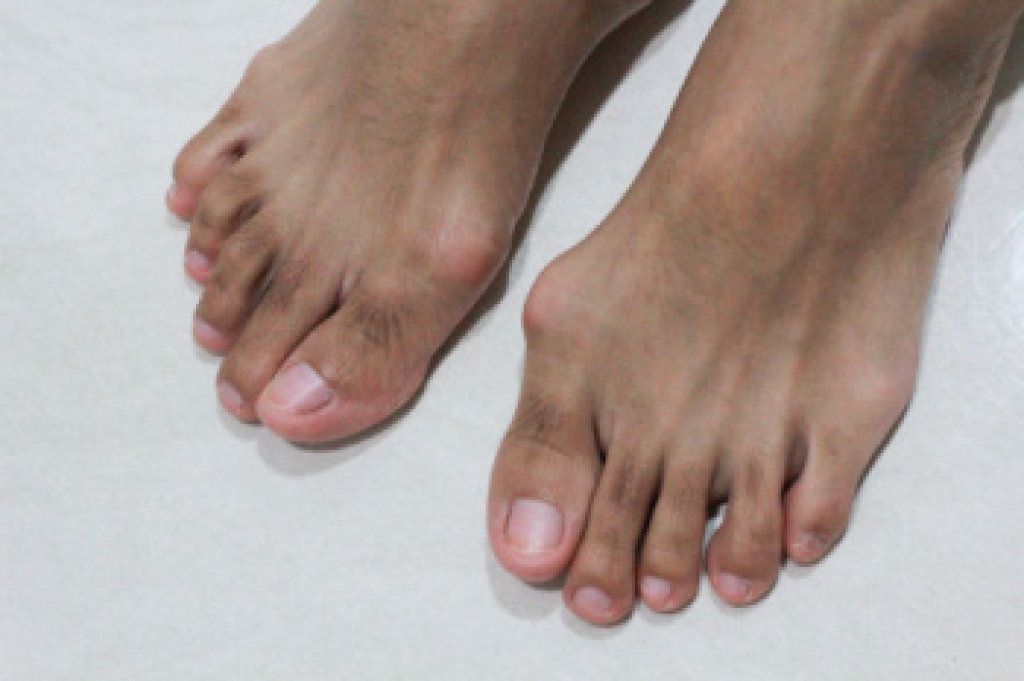
A bunion results when a bony bump forms at the base of the big toe, as the tip of the toe pushes against the other toes. This deformity can cause pain, redness, and swelling. Bunions also make wearing certain shoes uncomfortable while walking or standing for long periods of time. Causes include inherited foot structure, arthritis, and shoes that squeeze the toes together. Some people develop bunions because of poor foot alignment or abnormal walking patterns. A podiatrist can examine the foot, check joint movement, and use X-rays to determine the severity of the bunion. Treatment options include custom orthotics, padding, and wearing supportive shoes with a wider toe box. More advanced bunions may require surgery to straighten the toe joint and improve alignment. Early treatment can help slow the condition and reduce discomfort. If you have pain from a bunion, it is suggested that you schedule an appointment with a podiatrist for effective relief and management tips.

If you are suffering from bunions, contact the practitioners of Foot Care Institute. Our practitioners can provide the care you need to keep you pain-free and on your feet.

What Is a Bunion?

A bunion is formed of swollen tissue or an enlargement of boney growth, usually located at the base joint of the toe that connects to the foot. The swelling occurs due to the bones in the big toe shifting inward, which impacts the other toes of the foot. This causes the area around the base of the big toe to become inflamed and painful.

Why Do Bunions Form?

Genetics – Susceptibility to bunions are often hereditary

Stress on the feet – Poorly fitted and uncomfortable footwear that places stress on feet, such as heels, can worsen existing bunions

How Are Bunions Diagnosed?

Podiatrists often perform two tests – blood tests and x-rays – when trying to diagnose bunions, especially in the early stages of development. Blood tests help determine if the foot pain is being caused by something else, such as arthritis, while x-rays provide a clear picture of your bone structure to your provider.

How Are Bunions Treated?

  • Refrain from wearing heels or similar shoes that cause discomfort
  • Select wider shoes that can provide more comfort and reduce pain
  • Anti-inflammatory and pain management drugs
  • Orthotics or foot inserts
  • Surgery

If you have any questions, please feel free to contact our office located in Windsor, ON . We offer the newest diagnostic and treatment technologies for all your foot care needs.

Read more about What Are Bunions?

What Is Sever’s Disease?

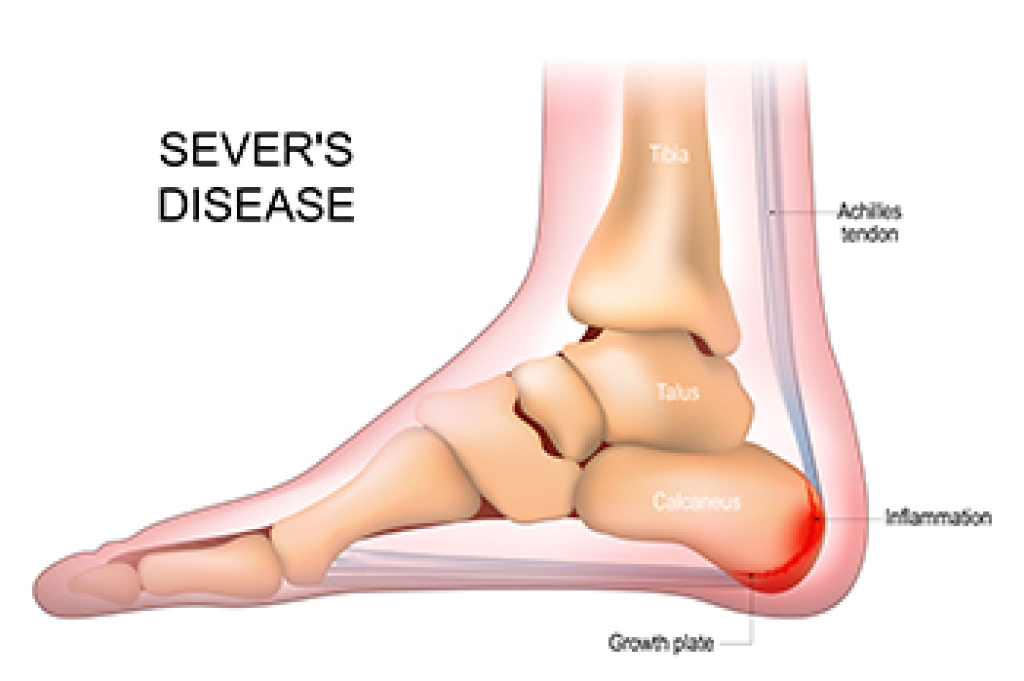
Sever’s disease is a common cause of heel pain in children, and is related to inflammation of the growth plate in the heel. It often occurs during periods of rapid growth when bones lengthen faster than muscles and tendons can adapt. This condition typically affects active children from ages 8 to 14 who participate in sports or activities that involve running and jumping. Symptoms include heel pain during activity, tenderness, swelling, and limping. Risk factors include tight calf muscles, repetitive stress, and wearing footwear that does not fit properly. It happens because the developing heel is more sensitive to strain and pressure. A podiatrist can provide evaluation, recommend stretching and support, and guide recovery. If your active child has heel pain, it is suggested that you consult a podiatrist who can offer effective relief and management tips.

Sever's disease often occurs in children and teens. If your child is experiencing foot or ankle pain, see the practitioners from Foot Care Institute. Our practitioners can treat your child’s foot and ankle needs.

Sever’s Disease

Sever’s disease is also known as calcaneal apophysitis, which is a medical condition that causes heel pain I none or both feet. The disease is known to affect children between the ages of 8 and 14.

Sever’s disease occurs when part of the child’s heel known as the growth plate (calcaneal epiphysis) is attached to the Achilles tendon. This area can suffer injury when the muscles and tendons of the growing foot do not keep pace with bone growth. Therefore, the constant pain which one experiences at the back of the heel will make the child unable to put any weight on the heel. The child is then forced to walk on their toes.

Symptoms

Acute pain – Pain associated with Sever’s disease is usually felt in the heel when the child engages in physical activity such as walking, jumping and or running.

Highly active – Children who are very active are among the most susceptible in experiencing Sever’s disease, because of the stress and tension placed on their feet.

If you have any questions, please feel free to contact our office located in Windsor, ON . We offer the newest diagnostic and treatment technologies for all your foot care needs.

Read more about Sever's Disease

Treating Sesamoiditis Without Surgery

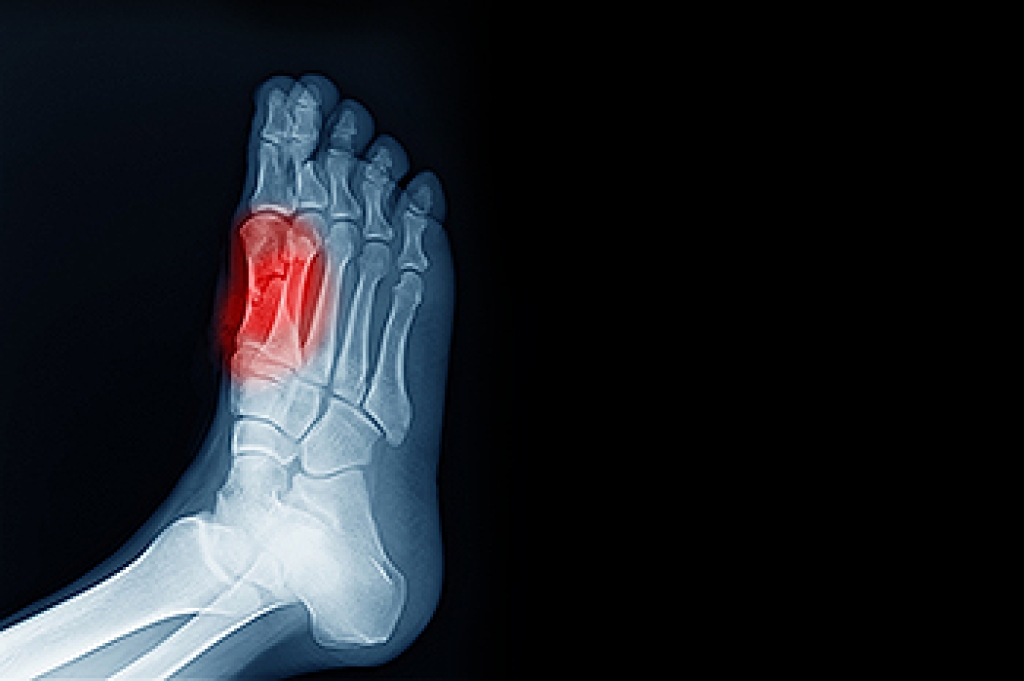
Sesamoiditis is a painful condition involving inflammation of two small bones located beneath the big toe joint. These bones help absorb pressure and assist with movement during walking and running. The condition often develops from repeated stress, especially in runners, dancers, or people who spend long hours on their feet. Pain is usually felt under the ball of the foot and may worsen with activity or pushing off the toes. Treatment often begins with non-surgical care aimed at reducing pressure and inflammation. A podiatrist may recommend activity changes, supportive footwear, custom orthotics, anti-inflammatory treatment, or temporary immobilization to allow healing. Early treatment can help prevent the condition from becoming more severe or leading to chronic pain. If you have pain beneath the big toe joint that worsens with walking or activity, it is suggested that you consult a podiatrist for effective relief and treatment solutions.

Sesamoiditis is an unpleasant foot condition characterized by pain in the balls of the feet. If you think you’re struggling with sesamoiditis, contact the practitioners of Foot Care Institute. Our practitioners will treat your condition thoroughly and effectively.

Sesamoiditis

Sesamoiditis is a condition of the foot that affects the ball of the foot. It is more common in younger people than it is in older people. It can also occur with people who have begun a new exercise program, since their bodies are adjusting to the new physical regimen. Pain may also be caused by the inflammation of tendons surrounding the bones. It is important to seek treatment in its early stages because if you ignore the pain, this condition can lead to more serious problems such as severe irritation and bone fractures.

Causes of Sesamoiditis

  • Sudden increase in activity
  • Increase in physically strenuous movement without a proper warm up or build up
  • Foot structure: those who have smaller, bonier feet or those with a high arch may be more susceptible

Treatment for sesamoiditis is non-invasive and simple. Doctors may recommend a strict rest period where the patient forgoes most physical activity. This will help give the patient time to heal their feet through limited activity. For serious cases, it is best to speak with your doctor to determine a treatment option that will help your specific needs.

If you have any questions, please feel free to contact our office located in Windsor, ON . We offer the newest diagnostic and treatment technologies for all your foot care needs.

Read more about Sesamoiditis
Connect with us

our recent articles   medeo