Gout is a painful, inflammatory form of arthritis. Those affected will typically feel an intense stiffness in the joints of their feet, particularly in the big toe. Schedule a visit to learn about how gout can be managed and treated.

283 St Rose Ave
Windsor, ON N8S 1X1


Gout is a painful, inflammatory form of arthritis. Those affected will typically feel an intense stiffness in the joints of their feet, particularly in the big toe. Schedule a visit to learn about how gout can be managed and treated.
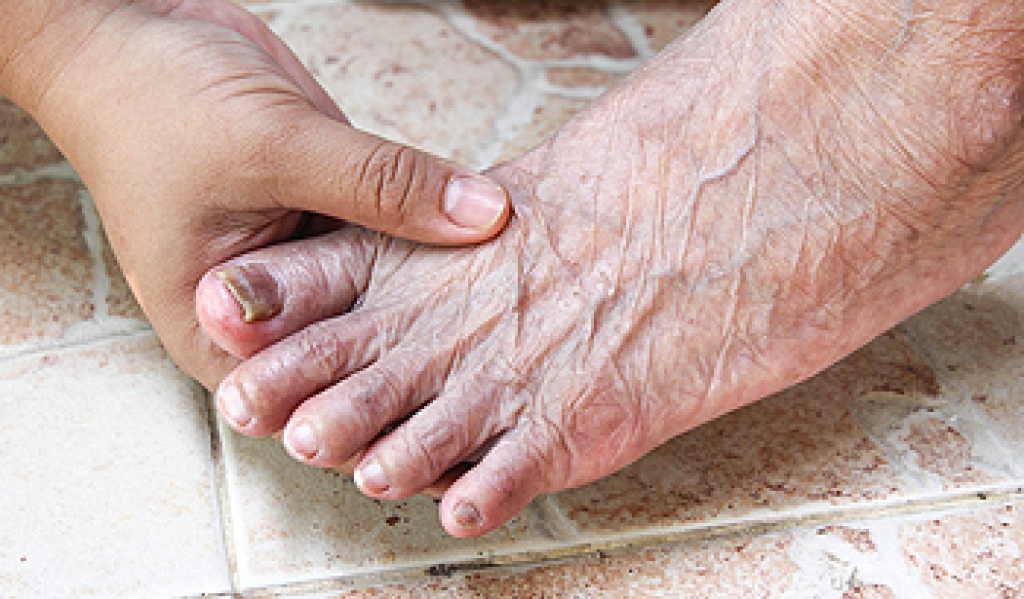
Toenail fungus is an infection that changes the appearance and strength of the nail. It usually begins at the edge of the nail and slowly spreads deeper. The affected nail can become yellow, white, or brown. It may also become thicker, brittle, or crumbly, making it harder to trim. In some cases, the nail can lift away from the skin underneath. Although the infection is not always painful at first, discomfort can develop as the nail thickens. Toenail fungus usually affects the big toe, but it can spread to other toenails. Because the infection rarely clears on its own, early evaluation by a podiatrist helps prevent it from becoming more difficult to treat.
Warm, damp environments allow fungus to grow more easily. People are at greater risk if they have athlete’s foot, damaged nails, or certain long-term health conditions like diabetes. Spending long periods of time in shoes that keep the feet hot and sweaty can also increase the chance of infection. A podiatrist examines the nail and may take a small sample to confirm that fungus is causing the problem before recommending treatment. This step helps identify the infection correctly because other nail conditions can look similar. An accurate diagnosis also helps guide the most effective treatment plan.
A podiatrist creates a treatment plan based on the severity of the infection and the condition of the nail. Treatment includes prescription antifungal medicine, medicated nail lacquer, and professional nail care. Regular follow-up visits allow the podiatrist to monitor healthy nail growth and adjust treatment when necessary. Early treatment helps reduce the chance of the infection spreading to other nails and improves the opportunity for a healthier-looking nail to grow back. If you have symptoms of toenail fungus, it is suggested that you schedule an appointment with a podiatrist for effective treatment solutions, which may include prescribed medication.
If left untreated, toenail fungus may spread to other toenails, skin, or even fingernails. If you suspect you have toenail fungus it is important to seek treatment right away. For more information about treatment, contact the practitioners of Foot Care Institute. Our practitioners can provide the care you need to keep you pain-free and on your feet.
Symptoms
Treatment
If self-care strategies and over-the-counter medications does not help your fungus, your podiatrist may give you a prescription drug instead. Even if you find relief from your toenail fungus symptoms, you may experience a repeat infection in the future.
Prevention
In order to prevent getting toenail fungus in the future, you should always make sure to wash your feet with soap and water. After washing, it is important to dry your feet thoroughly especially in between the toes. When trimming your toenails, be sure to trim straight across instead of in a rounded shape. It is crucial not to cover up discolored nails with nail polish because that will prevent your nail from being able to “breathe”.
In some cases, surgical procedure may be needed to remove the toenail fungus. Consult with your podiatrist about the best treatment options for your case of toenail fungus.
If you have any questions please contact our office located in Windsor, ON . We offer the newest diagnostic and treatment technologies for all your foot and ankle needs.
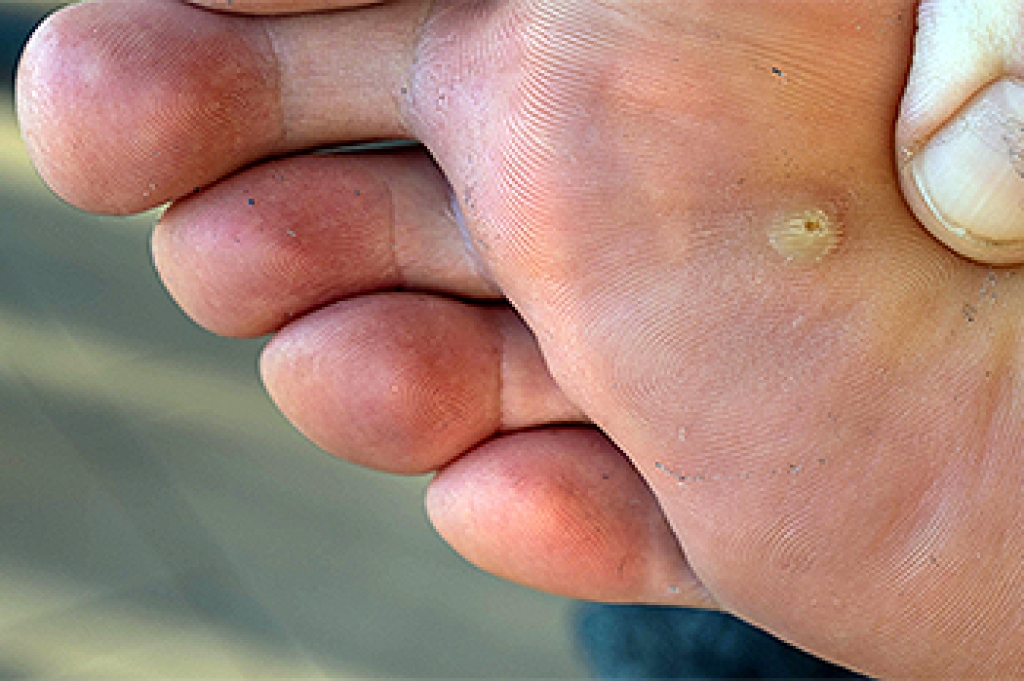
Plantar warts are small skin growths that develop on the bottom of the foot. They are caused by the human papillomavirus, or HPV, which enters the skin through tiny cuts or weak areas. Unlike a callus, which develops from pressure and friction, a plantar wart is caused by a viral infection. These warts frequently appear on weight-bearing parts of the foot, making them uncomfortable while standing or walking. A plantar wart has a rough surface and sometimes contains tiny dark spots. These spots are small blood vessels inside the wart. Some people develop a single wart, while others develop several warts grouped together.
The symptoms of plantar warts vary depending on their size and location. Many people experience pain, tenderness, and a feeling that something is stuck beneath the foot. The wart can become flattened because of pressure from standing and walking. The surrounding skin sometimes becomes thick and firm. Pain can increase when walking long distances or standing for extended periods of time. Because plantar warts can resemble corns, calluses, and other skin conditions, an accurate diagnosis is important. A podiatrist can examine the affected area and determine whether the growth is a plantar wart or another foot problem requiring different treatment.
A podiatrist has several ways to treat plantar warts and reduce discomfort. Treatment depends on the size, depth, and location of the wart. Professional care includes freezing the wart, removing damaged tissue, or using medications that target the infected skin. Some warts require more than one treatment session before they are completely removed. A podiatrist can also monitor the area to make sure the wart is responding properly to treatment. Early care can help relieve pain and prevent the wart from becoming larger or spreading to nearby skin. If you have plantar warts, it is suggested that you schedule an appointment with a podiatrist for effective relief and treatment options.
Plantar warts can be very uncomfortable. If you need your feet checked, contact the practitioners from Foot Care Institute. Our practitioners will assist you with all of your foot and ankle needs.
About Plantar Warts
Plantar warts are the result of HPV, or human papillomavirus, getting into open wounds on the feet. They are mostly found on the heels or balls of the feet.
While plantar warts are generally harmless, those experiencing excessive pain or those suffering from diabetes or a compromised immune system require immediate medical care. Plantar warts are easily diagnosed, usually through scraping off a bit of rough skin or by getting a biopsy.
Symptoms
Treatment
To help prevent developing plantar warts, avoid walking barefoot over abrasive surfaces that can cause cuts or wounds for HPV to get into. Avoiding direct contact with other warts, as well as not picking or rubbing existing warts, can help prevent the further spread of plantar warts. However, if you think you have developed plantar warts, speak to your podiatrist. He or she can diagnose the warts on your feet and recommend the appropriate treatment options.
If you have any questions, please feel free to contact our office located in Windsor, ON . We offer the newest diagnostic and treatment technologies for all your foot care needs.
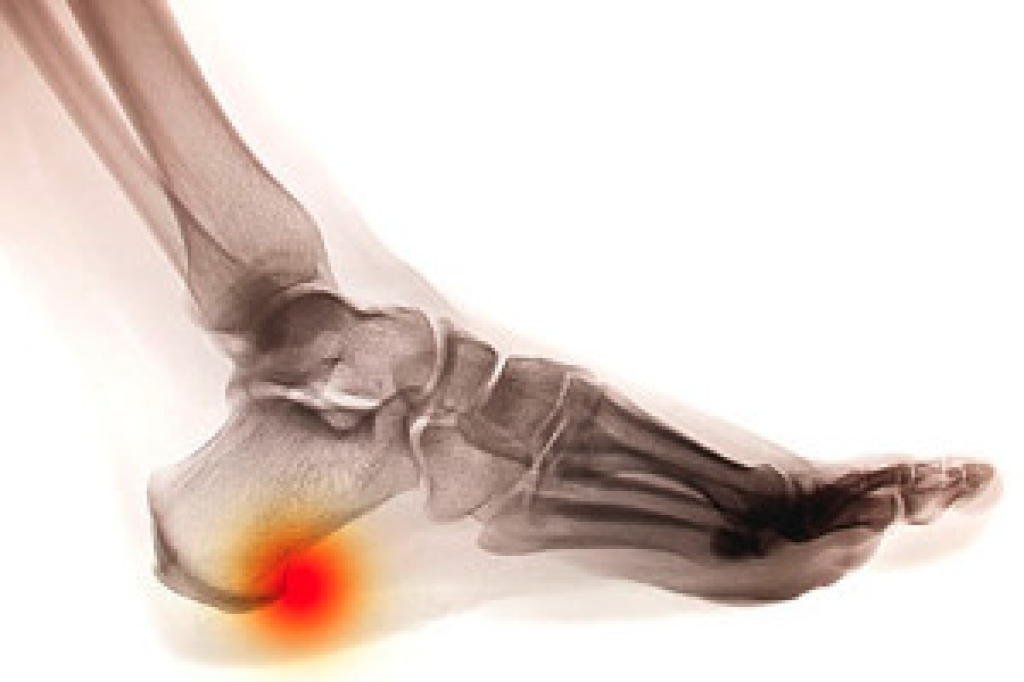
Heel spurs are bony growths that develop on the underside of the heel bone due to long-term stress and strain on the foot. They are often associated with plantar fascia irritation, where the connective tissue that supports the arch becomes inflamed. Over time, the body responds by depositing calcium, leading to the formation of a spur. While not all heel spurs cause pain, their presence can contribute to discomfort during daily movement.
Symptoms of heel spurs vary depending on severity and activity level. Many individuals describe a sharp, stabbing pain in the heel, especially with the first steps in the morning. Others report a dull ache that worsens after prolonged standing or walking. Swelling, tenderness, and localized inflammation may also be present. Risk factors include repetitive impact, poor foot mechanics, and wearing unsupportive footwear. Individuals who spend long hours on their feet are more likely to experience these symptoms.
The causes of heel spurs are typically linked to repetitive stress and strain. Activities such as running, walking on hard surfaces, or standing for extended periods of time can place continuous pressure on the heel. Wearing improper footwear that lacks arch support can increase tension on the plantar fascia. Additional risk factors include excess body weight, tight calf muscles, and flat feet or high arches. These conditions place extra stress on the heel and contribute to spur formation.
The key takeaway is that heel spurs develop over time due to repeated strain, but early care can reduce pain and prevent progression. Wearing supportive shoes, stretching, and activity modification play a major role in managing symptoms. Recognizing the warning signs allows for timely intervention and better outcomes. Heel pain is uncomfortable, and may affect daily activities. If this applies to you, it is suggested that you consult a podiatrist who can accurately diagnose and treat heel spurs.
Heel spurs can be incredibly painful and sometimes may make you unable to participate in physical activities. To get medical care for your heel spurs, contact the practitioners from Foot Care Institute. Our practitioners will do everything possible to treat your condition.
Heels Spurs
Heel spurs are formed by calcium deposits on the back of the foot where the heel is. This can also be caused by small fragments of bone breaking off one section of the foot, attaching onto the back of the foot. Heel spurs can also be bone growth on the back of the foot and may grow in the direction of the arch of the foot.
Older individuals usually suffer from heel spurs and pain sometimes intensifies with age. One of the main condition's spurs are related to is plantar fasciitis.
Pain
The pain associated with spurs is often because of weight placed on the feet. When someone is walking, their entire weight is concentrated on the feet. Bone spurs then have the tendency to affect other bones and tissues around the foot. As the pain continues, the feet will become tender and sensitive over time.
Treatments
There are many ways to treat heel spurs. If one is suffering from heel spurs in conjunction with pain, there are several methods for healing. Medication, surgery, and herbal care are some options.
If you have any questions, please feel free to contact our office located in Windsor, ON . We offer the newest diagnostic and treatment technologies for all your foot care needs.
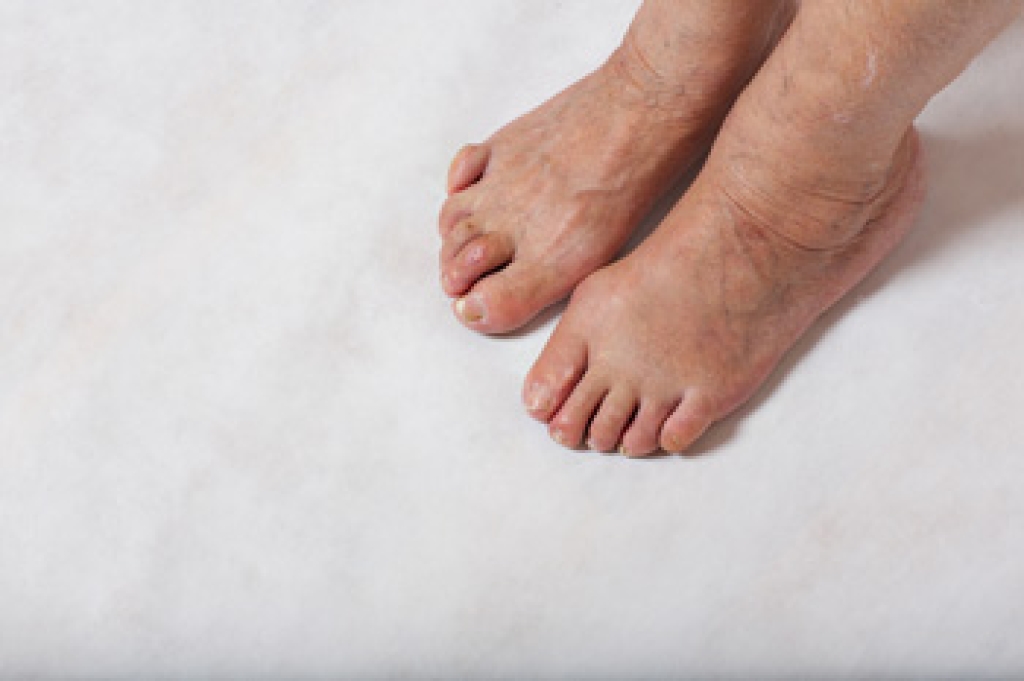
Hammertoe is a foot deformity that causes one or more toes to bend abnormally at the middle joint, creating a curled or hammer-like appearance. The condition most often affects the second, third, or fourth toes and can develop gradually. In the early stages, the affected toe may still be flexible, but it can become more rigid as the condition progresses. Hammertoe may cause discomfort while walking, standing, or wearing shoes. Many people also develop corns, calluses, or areas of irritation where the bent toe rubs against footwear. Because hammertoe can worsen over time, early evaluation is important for maintaining foot health and mobility.
Several factors may contribute to the development of hammertoe. Muscle imbalances within the foot can cause the toe to remain in a bent position, while certain foot structures may increase the likelihood of the condition. Previous injuries and underlying joint conditions can also play a role. As the toe becomes more contracted, pressure on the affected joint often increases. This added stress can lead to pain, swelling, and difficulty fitting comfortably into shoes. In some cases, hammertoe may affect balance and walking patterns, placing additional strain on other areas of the foot. Identifying the cause of the condition is an important step in determining the most effective treatment approach.
A podiatrist can evaluate the severity of hammertoe and assess how the condition is affecting overall foot function. Through a comprehensive examination, a podiatrist can identify contributing factors and recommend appropriate treatment options. Professional care focuses on improving comfort, reducing pressure on the affected toe, and helping maintain proper foot mechanics. Early intervention may help prevent the condition from becoming more severe and reduce the risk of complications. Maintaining healthy foot alignment is important for long-term mobility and comfort. If you have developed hammertoe, it is suggested that you consult a podiatrist for an evaluation and appropriate treatment options.
Hammertoe
Hammertoes can be a painful condition to live with. For more information, contact the practitioners from Foot Care Institute. Our practitioners will answer any of your foot- and ankle-related questions.
Hammertoe is a foot deformity that affects the joints of the second, third, fourth, or fifth toes of your feet. It is a painful foot condition in which these toes curl and arch up, which can often lead to pain when wearing footwear.
Symptoms
Causes
Genetics – People who are genetically predisposed to hammertoe are often more susceptible
Arthritis – Because arthritis affects the joints in your toes, further deformities stemming from arthritis can occur
Trauma – Direct trauma to the toes could potentially lead to hammertoe
Ill-fitting shoes – Undue pressure on the front of the toes from ill-fitting shoes can potentially lead to the development of hammertoe
Treatment
Orthotics – Custom made inserts can be used to help relieve pressure placed on the toes and therefore relieve some of the pain associated with it
Medications – Oral medications such as anti-inflammatories or NSAIDs could be used to treat the pain and inflammation hammertoes causes. Injections of corticosteroids are also sometimes used
Surgery – In more severe cases where the hammertoes have become more rigid, foot surgery is a potential option
If you have any questions, please feel free to contact our office located in Windsor, ON . We offer the newest diagnostic and treatment technologies for all your foot care needs.