Painful deformities, such as hammertoes, can be treated. Stop living with foot pain, and have beautiful feet again!

283 St Rose Ave
Windsor, ON N8S 1X1


Painful deformities, such as hammertoes, can be treated. Stop living with foot pain, and have beautiful feet again!
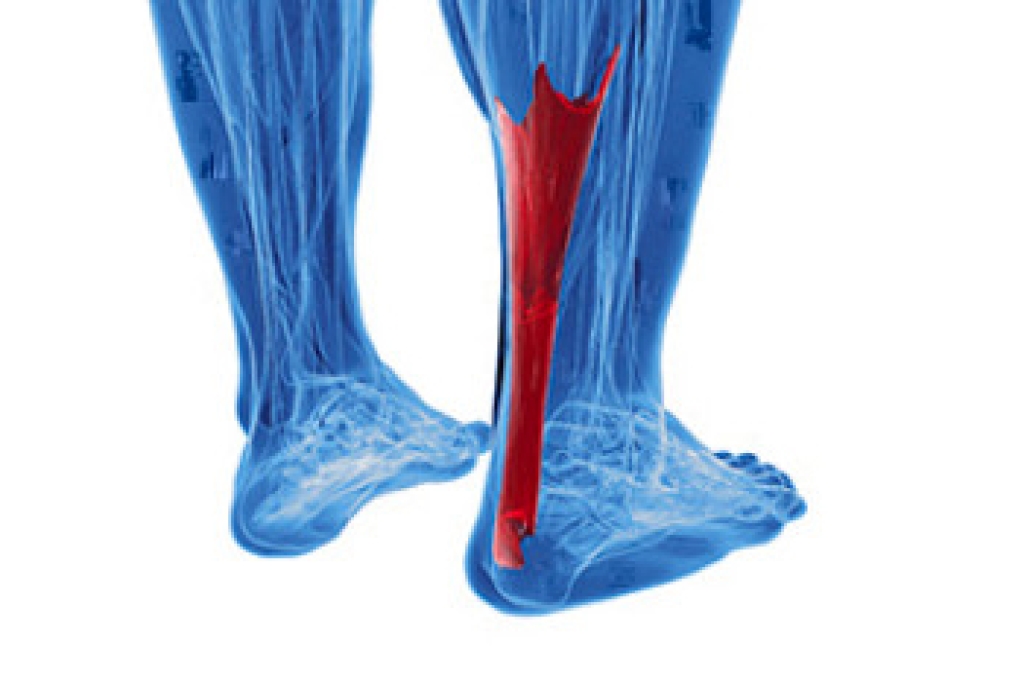
Posterior Achilles tendon bursitis causes pain where the back of a shoe meets the heel. It develops when repeated shoe pressure inflames a bursa between the skin and Achilles tendon. A bursa is a small, fluid-filled cushion that reduces friction. Early signs include redness, warmth, and tenderness at the back of the heel. Irritation can cause skin damage or a soft, painful bump. In long-lasting cases, the bump can become firm as the tissue thickens and calcium collects within it.
Shoes with a stiff back or a poor fit can rub against this sensitive area. High-heeled shoes are a risk because they place the shoe counter against the back of the heel. A bony prominence called Haglund’s deformity can increase pressure and encourage a bursa to develop. Pain from bursitis can resemble pain from other Achilles tendon problems. Achilles tendinitis affects the tendon itself, while another condition can cause pain where the tendon attaches to the heel bone. A podiatrist can identify the source by examining the location, texture, and appearance of the area. Imaging is not always required, but it can help when the cause remains unclear.
Treatment focuses on reducing pressure and protecting the inflamed area. A podiatrist can evaluate shoe fit and recommend shoes with a low heel that do not press against the bursa. Heel pads, protective gel wraps, or padding placed around the bump can reduce rubbing. Custom orthotics can improve rear-foot stability and limit irritating movement while walking. A podiatrist can monitor skin damage and check for signs of another heel condition. When a bony prominence continues to place pressure on the area, surgery can be considered to remove part of the bone. Early care can reduce irritation before it causes greater pain while wearing shoes or moving throughout the day. If you have sustained an Achilles tendon injury, it is suggested that you promptly schedule an appointment with a podiatrist for effective relief and treatment solutions.
Achilles tendon injuries need immediate attention to avoid future complications. If you have any concerns, contact the practitioners of Foot Care Institute. Our practitioners can provide the care you need to keep you pain-free and on your feet.
What Is the Achilles Tendon?
The Achilles tendon is a tendon that connects the lower leg muscles and calf to the heel of the foot. It is the strongest tendon in the human body and is essential for making movement possible. Because this tendon is such an integral part of the body, any injuries to it can create immense difficulties and should immediately be presented to a doctor.
What Are the Symptoms of an Achilles Tendon Injury?
There are various types of injuries that can affect the Achilles tendon. The two most common injuries are Achilles tendinitis and ruptures of the tendon.
Achilles Tendinitis Symptoms
Rupture Symptoms
Treatment and Prevention
Achilles tendon injuries are diagnosed by a thorough physical evaluation, which can include an MRI. Treatment involves rest, physical therapy, and in some cases, surgery. However, various preventative measures can be taken to avoid these injuries, such as:
If you have any questions please feel free to contact our office located in Windsor, ON . We offer the newest diagnostic tools and technology to treat your foot and ankle needs.

Gout is a type of inflammatory arthritis that can cause sudden and intense joint pain. It often affects the big toe, although it may also develop in other toes, the ankle, or the knee. Gout develops when uric acid builds up and forms needle-like crystals inside a joint. Uric acid is produced when the body breaks down substances called purines. When the kidneys do not remove enough uric acid, these crystals may collect and trigger inflammation. A gout attack often begins suddenly, frequently at night, and can cause severe pain and swelling.
Gout attacks may occur only once or return periodically. Without proper treatment, repeated attacks can affect more joints, last longer, and become more severe. Some people eventually develop hard deposits of uric acid crystals, called tophi, around joints or in other tissues. Several factors can increase the likelihood of gout, including family history, certain chronic health problems, and some medications. Because gout symptoms can resemble other forms of arthritis, an accurate diagnosis is important. Medical evaluation may include a physical examination, blood testing, or analysis of fluid taken from the affected joint.
When gout affects the feet, a podiatrist can evaluate painful joints and determine how symptoms are affecting walking and mobility. A podiatrist can also help distinguish gout-related foot pain from other problems that may cause similar symptoms. Treatment depends on the frequency and severity of gout attacks. Medical care may include medications that reduce inflammation during a flare or lower uric acid to help prevent future complications. Managing gout can help protect joints and preserve normal movement. Early diagnosis and appropriate treatment may reduce the risk of long-term joint damage and recurring pain. If sudden pain, swelling, or tenderness develops in the big toe or another foot joint, it is suggested that you consult a podiatrist for an evaluation and appropriate treatment options.
Gout is a painful condition that can be treated. If you are seeking treatment, contact the practitioners from Foot Care Institute. Our practitioners will treat your foot and ankle needs.
What Is Gout?
Gout is a form of arthritis that is characterized by sudden, severe attacks of pain, redness, and tenderness in the joints. The condition usually affects the joint at the base of the big toe. A gout attack can occur at any random time, such as the middle of the night while you are asleep.
Symptoms
Risk Factors
Prior to visiting your podiatrist to receive treatment for gout, there are a few things you should do beforehand. If you have gout you should write down your symptoms--including when they started and how often you experience them, important medical information you may have, and any questions you may have. Writing down these three things will help your podiatrist in assessing your specific situation so that he or she may provide the best route of treatment for you.
If you have any questions, please feel free to contact our office located in Windsor, ON . We offer the newest diagnostic and treatment technologies for all your foot care needs.

Long bike rides can be enjoyable, but repeated pedaling places extra stress on the feet and ankles. Foot and ankle injuries may develop from pressure, repetitive motion, or shoes that do not provide enough support. Problems include hot foot, Achilles tendonitis, and outside edge foot pain. These problems can make riding uncomfortable and affect normal walking.
Hot foot is a burning or tingling feeling beneath the ball of the foot. It often develops when cycling shoes place pressure on nerves or when the feet swell during long rides. Achilles tendonitis causes pain and tenderness along the tendon behind the ankle. Repeated pedaling can irritate this band of tissue. Outside edge foot pain may involve the fifth metatarsal or nearby soft tissues. Symptoms can include tenderness, burning, or pain that increases during riding.
Several factors can increase the risk of these cycling injuries. Riding longer distances than usual can overload the feet and ankles. Wearing tight shoes may increase pressure as the feet swell. Poor arch support or an improper pedal position can also affect foot mechanics. Riders who suddenly increase mileage may be more likely to develop overuse injuries. Existing foot problems can make symptoms more noticeable during multi-day cycling trips.
A podiatrist can examine the foot and ankle to identify the source of pain. The evaluation may include checking walking patterns, joint movement, and tendon strength. Imaging tests may be recommended when a fracture or significant tendon injury is suspected. Treatment may include activity changes, wearing supportive footwear, or other measures based on the diagnosis. A podiatrist can suggest ways to reduce pressure during future rides. If you have foot pain while cycling, it is suggested that you consult a podiatrist for an accurate diagnosis and appropriate treatment.
Ankle and foot injuries are common among athletes and in many sports. They can be caused by several problems and may be potentially serious. If you are feeling pain or think you were injured in a sporting event or when exercising, consult with the practitioners from Foot Care Institute. Our practitioners will assess your condition and provide you with quality foot and ankle treatment.
Common Injuries
The most common injuries that occur in sporting activities include:
Symptoms
Symptoms vary depending upon the injury and in some cases, there may be no symptoms at all. However, in most cases, some form of symptom is experienced. Pain, aching, burning, bruising, tenderness, tightness or stiffness, sensation loss, difficulty moving, and swelling are the most common symptoms.
Treatment
Just as symptoms vary depending upon the injury, so do treatment options. A common treatment method is known as the RICE method. This method involves rest, applying ice, compression and elevating the afflicted foot or ankle. If the injury appears to be more serious, surgery might be required, such as arthroscopic or reconstructive surgery. Lastly, rehabilitation or therapy might be needed to gain full functionality in the afflicted area. Any discomfort experienced by an athlete must be evaluated by a licensed, reputable medical professional.
If you have any questions please contact our office located in Windsor, ON . We offer the newest diagnostic and treatment technologies for all your foot and ankle needs.

The Achilles tendon is a strong band of tissue that connects the calf muscles to the heel bone. It helps lift the heel from the ground when walking, running, or jumping. Repeated strain can irritate the tendon and lead to pain or reduced function. Achilles tendon injuries can range from ongoing tendon damage to a partial or complete tear. Sports that involve sudden starts, jumping, or quick changes in direction can place significant stress on this tendon. Increasing the intensity of exercise too quickly can also raise the risk of an Achilles tendon problem.
Symptoms depend on the type and severity of the injury. Tendon irritation can cause pain, stiffness, and tenderness near the back of the heel. Pain can become more noticeable when starting exercise or after strenuous activity. An Achilles tendon rupture is a more serious injury and can happen suddenly. Some patients describe feeling or hearing a snap when the tendon tears. A rupture can also cause immediate pain and difficulty walking normally. Patients can struggle to push off the injured foot or rise onto their toes because the tendon is no longer working properly.
A podiatrist can evaluate an Achilles tendon injury by examining the back of the ankle and assessing movement. The evaluation can also consider strength and the circumstances surrounding the injury. Imaging tests can provide additional information about tendon damage in some cases. Treatment depends on whether the tendon is irritated, partially torn, or completely ruptured. A podiatrist can develop a treatment plan that protects the tendon and supports safe movement as healing progresses. If you have symptoms of an Achilles tendon injury, it is suggested that you schedule an appointment with a podiatrist for a diagnosis and appropriate treatment.
Achilles tendon injuries need immediate attention to avoid future complications. If you have any concerns, contact the practitioners of Foot Care Institute. Our practitioners can provide the care you need to keep you pain-free and on your feet.
What Is the Achilles Tendon?
The Achilles tendon is a tendon that connects the lower leg muscles and calf to the heel of the foot. It is the strongest tendon in the human body and is essential for making movement possible. Because this tendon is such an integral part of the body, any injuries to it can create immense difficulties and should immediately be presented to a doctor.
What Are the Symptoms of an Achilles Tendon Injury?
There are various types of injuries that can affect the Achilles tendon. The two most common injuries are Achilles tendinitis and ruptures of the tendon.
Achilles Tendinitis Symptoms
Rupture Symptoms
Treatment and Prevention
Achilles tendon injuries are diagnosed by a thorough physical evaluation, which can include an MRI. Treatment involves rest, physical therapy, and in some cases, surgery. However, various preventative measures can be taken to avoid these injuries, such as:
If you have any questions please feel free to contact our office located in Windsor, ON . We offer the newest diagnostic tools and technology to treat your foot and ankle needs.