
283 St Rose Ave
Windsor, ON N8S 1X1


283 St Rose Ave
Windsor, ON N8S 1X1
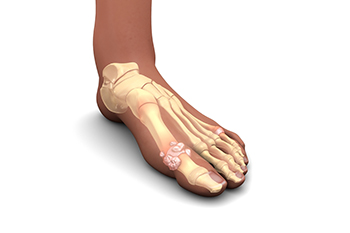
Gout is a form of arthritis that occurs when uric acid builds up in the blood, forming crystals in the joints. This leads to sudden, severe pain and inflammation, often affecting the big toe. The condition typically arises due to factors like a diet high in purines, obesity, dehydration, or kidney problems that prevent the proper excretion of uric acid. Symptoms of gout include intense joint pain, redness, swelling, and warmth in the affected area. The pain often comes on suddenly and can last for several hours or days. While gout can affect various joints, it most commonly targets the feet and ankles, especially the big toe. If you have developed this painful condition, it is suggested that you promptly consult a podiatrist who can offer appropriate treatment and management solutions.
Gout is a painful condition that can be treated. If you are seeking treatment, contact the practitioners from Foot Care Institute. Our practitioners will treat your foot and ankle needs.
What Is Gout?
Gout is a form of arthritis that is characterized by sudden, severe attacks of pain, redness, and tenderness in the joints. The condition usually affects the joint at the base of the big toe. A gout attack can occur at any random time, such as the middle of the night while you are asleep.
Symptoms
Risk Factors
Prior to visiting your podiatrist to receive treatment for gout, there are a few things you should do beforehand. If you have gout you should write down your symptoms--including when they started and how often you experience them, important medical information you may have, and any questions you may have. Writing down these three things will help your podiatrist in assessing your specific situation so that he or she may provide the best route of treatment for you.
If you have any questions, please feel free to contact our office located in Windsor, ON . We offer the newest diagnostic and treatment technologies for all your foot care needs.
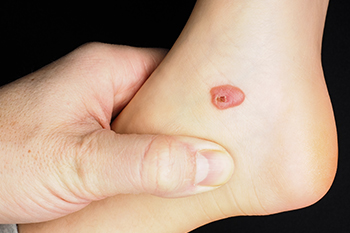
Blood blisters and regular blisters both form in response to friction, but they differ in appearance and severity. A regular blister is filled with clear fluid and typically forms when skin rubs against something repeatedly, causing the outer layer of skin to separate. Blood blisters, on the other hand, occur when a blood vessel beneath the skin breaks, causing the blister to fill with blood rather than fluid. This can also indicate that the blister is infected. Blood blisters can feel more painful, as they put pressure on the surrounding tissue. Both types of blisters can cause discomfort, swelling, and redness. It is important to keep both clean and covered to avoid further friction. Do not pop the blister as that can increase the risk of further infection. If a blood blister does not heal, a podiatrist can safely drain it, provide wound care, and advise on prevention strategies. For persistent or painful blisters, it is suggested that you schedule an appointment with a podiatrist to ensure proper care.
Blisters are prone to making everyday activities extremely uncomfortable. If your feet are hurting, contact the practitioners of Foot Care Institute. Our practitioners can provide the care you need to keep you pain-free and on your feet.
Foot Blisters
Foot blisters develop as a result of constantly wearing tight or ill-fitting footwear. This happens due to the constant rubbing from the shoe, which can often lead to pain.
What Are Foot Blisters?
A foot blister is a small fluid-filled pocket that forms on the upper-most layer of the skin. Blisters are filled with clear fluid and can lead to blood drainage or pus if the area becomes infected.
How Do Blisters Form?
Blisters on the feet are often the result of constant friction of skin and material, usually by shoe rubbing. Walking in sandals, boots, or shoes that don’t fit properly for long periods of time can result in a blister. Having consistent foot moisture and humidity can easily lead to blister formation.
Prevention & Treatment
It is important to properly care for the affected area in order to prevent infection and ease the pain. Do not lance the blister and use a Band-Aid to provide pain relief. Also, be sure to keep your feet dry and wear proper fitting shoes. If you see blood or pus in a blister, seek assistance from a podiatrist.
If you have any questions, please feel free to contact our office located in Windsor, ON . We offer the newest diagnostic and treatment technologies for all your foot care needs.
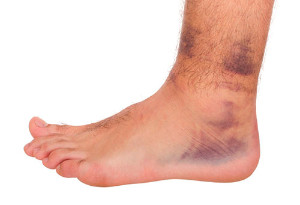
An acute ankle sprain occurs when the ligaments around the ankle are stretched or torn due to sudden twisting or impact. This injury typically happens during activities that involve jumping, running, or uneven surfaces, causing the ankle to roll or twist beyond its normal range of motion. The ligaments on the outside of the ankle are most often affected, although other ligaments can be injured as well. An acute sprain can occur in any age group, but it is especially common among athletes or individuals who engage in high-intensity physical activities. Risk factors include weak ankle muscles, improper footwear, or a previous ankle injury, which can make the ankle joint more vulnerable. The severity of the sprain can vary, with symptoms ranging from mild pain and swelling to more severe pain, bruising, and limited mobility. If you have injured or sprained your ankle, it is suggested that you promptly schedule an appointment with a podiatrist who can offer you appropriate treatment solutions.
Ankle sprains are common but need immediate attention. If you need your feet checked, contact the practitioners from Foot Care Institute. Our practitioners can provide the care you need to keep you pain-free and on your feet.
How Does an Ankle Sprain Occur?
Ankle sprains take place when the ligaments in your ankle are torn or stretched beyond their limits. There are multiple ways that the ankle can become injured, including twisting or rolling over onto your ankle, putting undue stress on it, or causing trauma to the ankle itself.
What Are the Symptoms?
Preventing a Sprain
Treatment of a Sprain
Treatment of a sprain depends on the severity. Many times, people are told to rest and remain off their feet completely, while others are given an air cast. If the sprain is very severe, surgery may be required.
If you have suffered an ankle sprain previously, you may want to consider additional support such as a brace and regular exercises to strengthen the ankle.
If you have any questions please feel free to contact our office located in Windsor, ON . We offer the newest diagnostic and treatment technologies for all your foot and ankle needs.

A broken foot can happen due to trauma like falls, sports injuries, or car accidents, as well as repetitive stress from activities such as running. It can affect anyone, but those at a higher risk include athletes, older adults, and individuals with osteoporosis. Symptoms include pain, swelling, bruising, difficulty walking, and deformity. If you suspect a broken foot, avoid putting weight on it and elevate it to reduce swelling. Immobilize the foot as much as possible and seek medical attention promptly. A podiatrist can diagnose the injury using imaging like X-rays and recommend treatment, which may include casting, bracing, or in severe cases, surgery. If you have broken your foot, it is strongly suggested that you see a podiatrist for proper care and healing.
A broken foot requires immediate medical attention and treatment. If you need your feet checked, contact the practitioners from Foot Care Institute. Our practitioners can provide the care you need to keep you pain-free and on your feet.
Broken Foot Causes, Symptoms, and Treatment
A broken foot is caused by one of the bones in the foot typically breaking when bended, crushed, or stretched beyond its natural capabilities. Usually the location of the fracture indicates how the break occurred, whether it was through an object, fall, or any other type of injury.
Common Symptoms of Broken Feet:
Those that suspect they have a broken foot shoot seek urgent medical attention where a medical professional could diagnose the severity.
Treatment for broken bones varies depending on the cause, severity and location. Some will require the use of splints, casts or crutches while others could even involve surgery to repair the broken bones. Personal care includes the use of ice and keeping the foot stabilized and elevated.
If you have any questions please feel free to contact our office located in Windsor, ON . We offer the newest diagnostic and treatment technologies for all your foot and ankle needs.





 Theme - Default